Ecological considerations in our operations
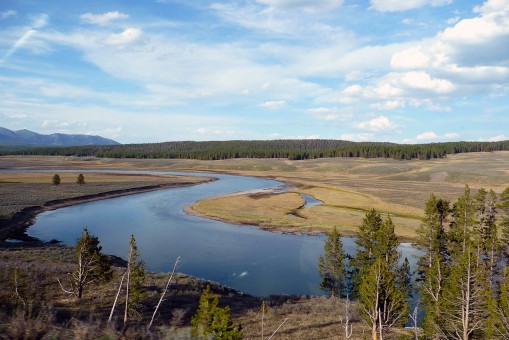
The ALTEO Group recognises that the operation of energy and waste management infrastructure has a direct and indirect relationship with the natural environment. Accordingly, we aim to take the protection of ecosystems and wildlife into account in our investments and operating activities.
The objectives of the biodiversity strategy from a biodiversity and a corporate perspective
In line with its ESG strategy running to 2030, ALTEO has developed a comprehensive biodiversity strategy aimed at preserving and improving the ecological condition of the company’s sites and consciously supporting biological diversity. Adopted for a 15-year horizon, the strategy was prepared with the approval of the ALTEO Green Committee and covers not only the directly affected power plant areas but also geographically more distant or indirectly affected areas that are ecologically connected to the company’s operations.
The strategy is underpinned by the European Union’s biodiversity objectives and by Hungarian nature conservation regulation. In line with these, ALTEO has broken its biodiversity targets running to 2040 down into concrete, incrementally achievable measures.
Measures implemented step by step
-
2024–2025
Short term
Detailed ecological survey of the sites, development of targeted actions based on the results, and scheduled implementation of improvements that deliver quick results. Planned interventions include creating pollinator-friendly habitats, introducing alternative rainwater management solutions and pushing back invasive plant species. Their aim is to improve the state of local wildlife alongside site operations and to increase the ecological value of the areas.
-
2026–2030
Medium term
More complex ecological studies and interventions, focused primarily on reducing water-related (Hernád) risks and on redesigning and developing the land management practices of solar power plants from a nature conservation perspective.
-
2030–2040
Long term
Landscape-scale habitat development and wetland reconstruction in the Tisza/Hernád catchment, biodiversity-improving offset projects that also sequester carbon dioxide, and shaping the mindset of decision-makers, project developers and operators.
Measures by impact and reciprocal effect
Click the cards for the full list of measures.
Protecting the Hernád and aquatic ecosystems
Water use is particularly important for an energy company, where the state of rivers and the distribution of precipitation directly affect operations. Plans include introducing studies and measures that reduce the vulnerability of water use while also having a positive biodiversity effect (e.g. redesigning bank protection).
- Examining the passability of the hydropower plants on the Hernád in order to improve the ecological connection between fish and the water body.
- Continuous monitoring of the river's ecological status and improvement of the state of aquatic ecosystems.
A research-based approach
The strategy applies not only an infrastructural and ecological approach but also draws on scientific research.
Wildlife-friendly land maintenance
At solar farms, biodiversity considerations appear in the redesign of land management practices. We are studying and planning maintenance and management methods that better match the needs of local wildlife — for example by consciously shaping mowing regimes to provide refuge and survival zones for smaller organisms.
Actively contributing to the improvement of natural systems
Overall, ALTEO’s biodiversity strategy is a complex, multi-level sustainability programme extending from short-term site improvements to long-term ecological research. The essence of the approach is that the company’s operations should not merely minimise environmental impacts but actively contribute to improving the state of natural systems and preserving biological diversity.